
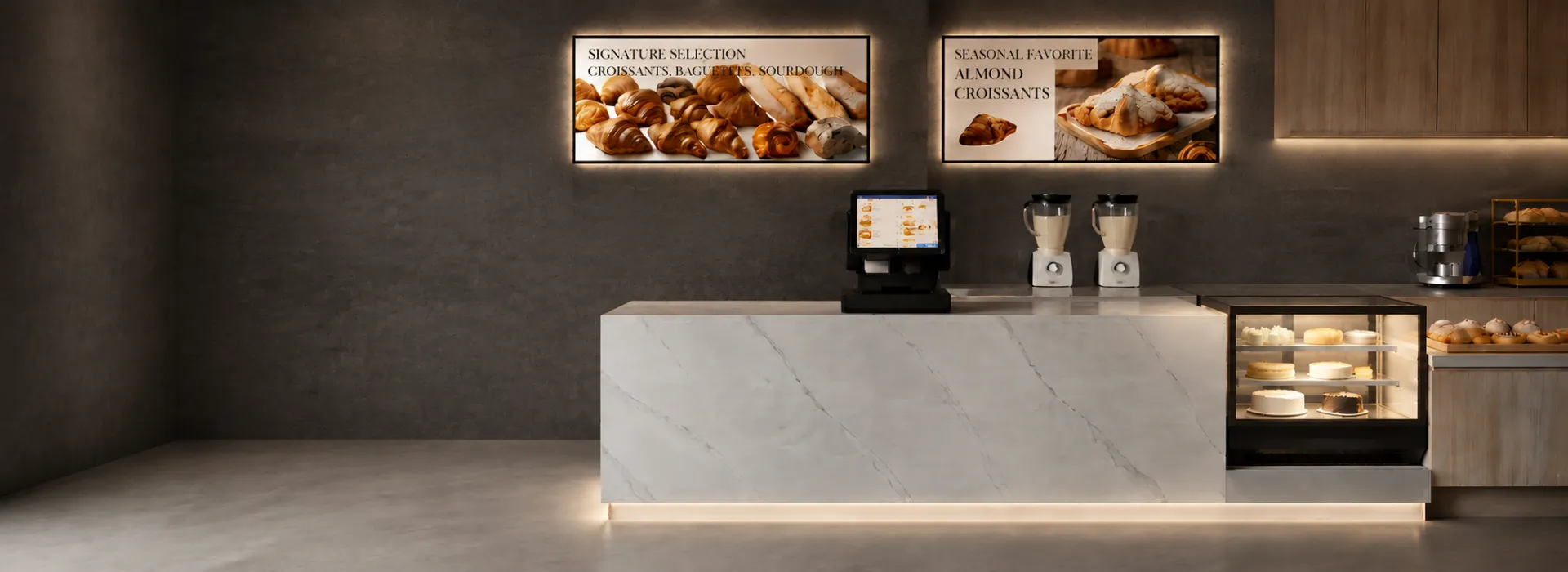
Countertop Display Refrigerator for Limited Retail Space
In a small store, every inch of counter space matters. You may already have a main refrigerator in the back room, but that does not always help when customers cannot see the products or quickly reach them. If drinks, desserts, or chilled snacks are hidden away, you may be missing an opportunity to turn everyday products into easy purchases.
A countertop display refrigerator creates an extra display point right where customers make decisions. It fits into checkout areas, service counters, cafes, and other compact spaces while keeping refrigerated products visible and ready to serve. With a glass display design and commercial cooling performance, a countertop display fridge helps businesses make better use of limited space without adding a large floor-standing unit.
Countertop Display Refrigerator Models
Choosing a countertop display refrigerator usually starts with the products you want to display.
A cafe selling bottled drinks does not always need the same cabinet as a bakery showing cakes and desserts. Some stores need a small unit beside the checkout counter, while others want a wider display area where customers can see more products at one time.
The right choice often depends on three things: how much counter space is available, what products need to be displayed, and how customers interact with the display.
Here are some common countertop display refrigerator designs used for different commercial needs.
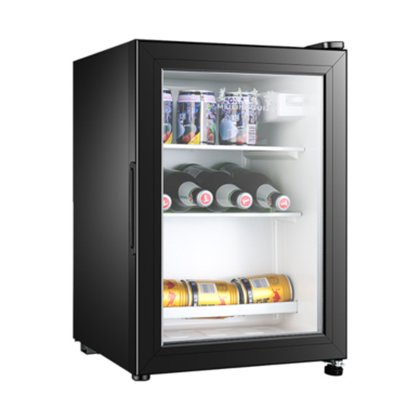
If customers need to see the product before making a choice, a glass door is usually the simplest option.
Drinks, desserts, dairy products, and ready-to-eat items can be displayed clearly without opening the door. This makes it a popular choice for shops where products are selected quickly.
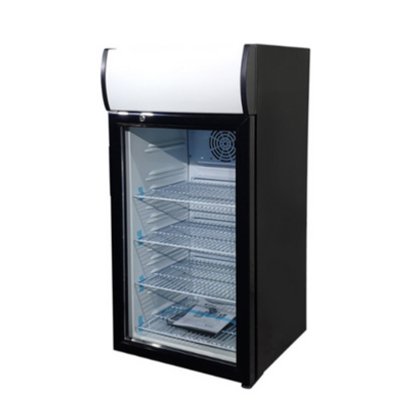
Small shops often have the same problem — limited space.
There may only be a small area beside a coffee machine, checkout counter, or preparation table. A compact countertop refrigerator can add extra chilled storage without changing the whole layout.
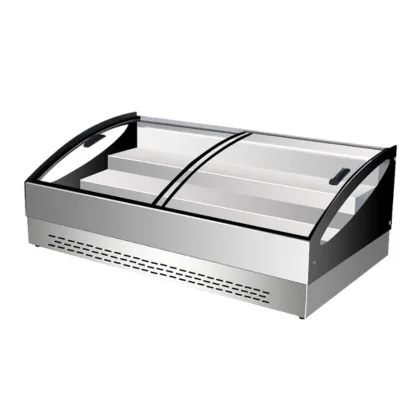
Some counters are viewed from more than one direction.
For example, customers may walk past a bakery counter or approach a service area from the side. Curved glass helps create a more open display area so products remain visible from different angles.

Sometimes a business only needs a small display area.
A small refrigerated display case can be useful for limited product selections, seasonal items, or additional displays where a larger cabinet would take up unnecessary space.
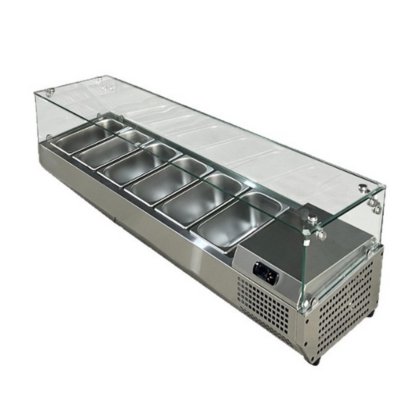
Not every product needs to stand upright.
Cakes, sandwiches, prepared foods, and other items are often easier to organize on a wider surface. A horizontal display case gives customers a clearer view of the products arranged inside.
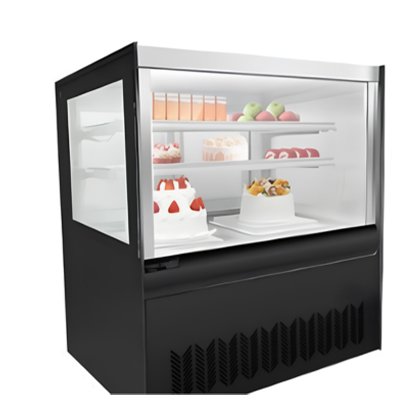
For many businesses, refrigeration is only part of the requirement.
The product also needs to look attractive. Glass display refrigeration allows customers to see what is available while helping stores maintain a clean and organized presentation.
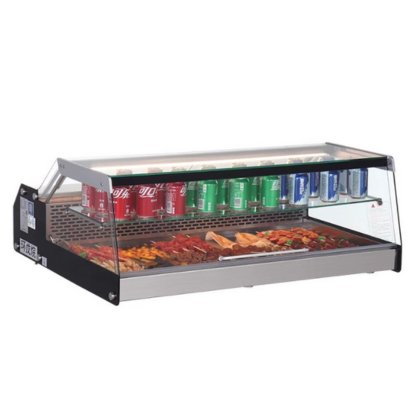
A commercial environment is different from home use.
These units are used throughout the day in cafes, restaurants, convenience stores, and retail shops where products need to stay cold and remain easy to access.
Features of Commercial Countertop Display Refrigerator
A countertop display refrigerator is often used where every inch of space matters. Whether it is placed on a cafe counter, checkout area, or food preparation station, it needs to do more than just keep products cold. Clear visibility, reliable cooling, and easy daily operation all affect how products are displayed and sold.

Customers are more likely to choose products they can see clearly. The glass door design provides a clean view of beverages, desserts, sushi, and prepared foods, while helping businesses create an attractive countertop display.

A display refrigerator needs stable cooling when the door is opened frequently throughout the day. The forced air cooling system helps distribute cold air evenly inside the cabinet, keeping chilled products in suitable storage conditions.

Temperature differences can easily cause glass surfaces to fog, affecting product visibility. The heated glass system helps reduce condensation, keeping the display area clear during daily operation.

For small stores, cafes, and bakeries, floor space is often limited. A compact countertop design allows businesses to create an additional refrigerated display area on counters, checkout stations, or service areas.

Commercial equipment needs to handle frequent use and regular cleaning. Stainless steel construction and durable components make the cabinet easier to maintain while supporting long-term daily operation.

From cold drinks and desserts to sushi, salads, and prepared foods, a countertop refrigerated display case helps businesses present different chilled products in an organized and appealing way.
Custom Countertop Display Refrigerator for Commercial Requirements
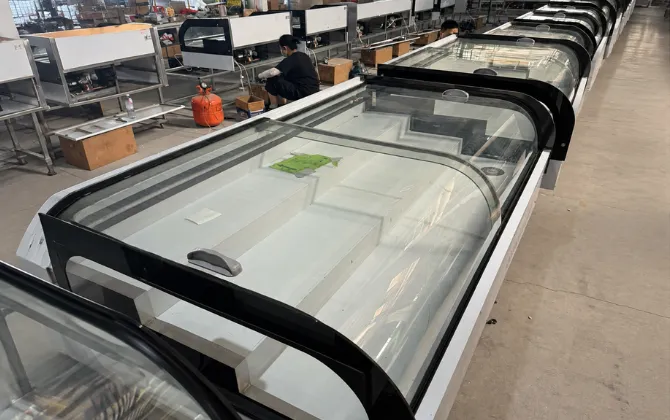
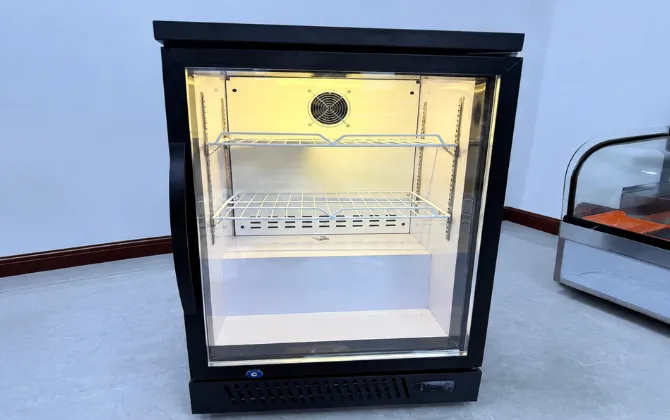
Every commercial project is different, and a standard countertop display refrigerator is not always the final solution. Many customers choose an existing model as the starting point, then make practical adjustments based on available counter space, product presentation, or local market requirements.
Instead of redesigning the entire cabinet, most customization focuses on the features that have the greatest impact on daily operation and product display.
Cabinet Dimensions That Fit Your Store
A commercial countertop display refrigerator should fit the available space instead of forcing changes to the store layout. Cabinet width, depth, height, and internal capacity can be adjusted for checkout counters, coffee bars, bakeries, convenience stores, and other retail environments.
Display Layout for Different Products
A countertop refrigerated display case used for bottled drinks is arranged differently from one displaying cakes, sandwiches, or packaged food. Shelf spacing, glass style, lighting, and interior layout can all be configured to improve product visibility without changing the overall cabinet design.
Brand Identity Built Into the Cabinet
For distributors and private label projects, the cabinet can be produced with custom colors, illuminated headers, logo graphics, and exterior finishes. These changes allow the countertop display fridge to match existing store branding while maintaining the same refrigeration performance.
Electrical & Refrigeration Options
Different countries often require different electrical specifications. Voltage, frequency, plug types, controllers, compressors, and LED lighting can be selected according to the destination market, making the commercial countertop display refrigerator easier to integrate into local projects.
Whether you’re sourcing a custom countertop display refrigerator for a retail chain or looking for an OEM countertop refrigerator for your own brand, practical customization helps reduce installation issues while creating a display cabinet that better fits your business.
Countertop Display Refrigerator Applications
A countertop is often the first place customers see when they enter a small shop.
It may be where they order a coffee, pay for a drink, or wait for their food. For many businesses, this small area does more work than people realize.
The problem is that chilled products usually need space. A regular refrigerator keeps products cold, but it does not always put them in front of customers. And adding a large display cabinet is not always possible when every square meter matters.
A countertop display refrigerator fills that gap. It gives shops another place to show cold drinks, desserts, and ready-to-eat foods without taking over the store.

Most convenience stores do not have endless room for more equipment.
A new refrigerator usually means moving shelves, changing the layout, or giving up valuable walking space. But the checkout counter is already there — and customers are already looking at it.
That is why many small retailers use countertop display refrigerators for bottled drinks, dairy products, snacks, and grab-and-go items.
It is a simple way to add another chilled display without rebuilding the store.
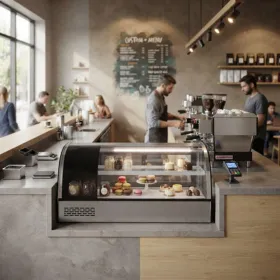
A cafe counter is usually busy from opening until closing.
There is the coffee machine, the payment terminal, the menu, and sometimes a line of customers waiting. Adding a full-size refrigerator behind the counter may not make sense.
A countertop beverage display refrigerator takes up much less space while keeping drinks and chilled products visible. Customers can see what is available while they wait for their order.
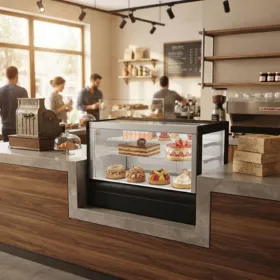
People rarely choose a cake from a list.
They look first.
The appearance of a dessert often decides whether a customer wants to buy it. A refrigerated countertop bakery display case allows bakeries to place cakes, pastries, and desserts where customers can actually see them.
The product stays chilled, but it also becomes part of the store experience.
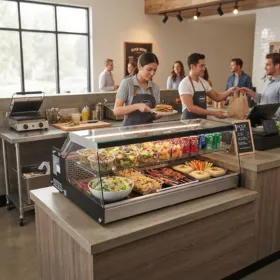
In food service, the busiest areas are usually the smallest ones.
A service counter needs to handle ordering, preparation, and customer pickup at the same time. A countertop food display refrigerator can add extra refrigerated display space without making the working area crowded.
It is commonly used for salads, cold dishes, prepared foods, and other items that need to be seen before they are chosen.
Quality Control and International Shipping Support for Countertop Display Refrigerator
Buying a countertop display refrigerator is usually not complicated at the beginning. Most buyers start with the same questions: how much space is needed, how many products can it display, and whether the cabinet fits the store layout.
The questions usually change after the order is placed.
A commercial refrigerator is not a product that simply goes into a box and arrives at the door. It contains glass panels, metal structures, electrical parts, and refrigeration components that all need to work together when the unit is installed.
For businesses ordering from overseas, production consistency and shipping preparation become part of the buying decision.
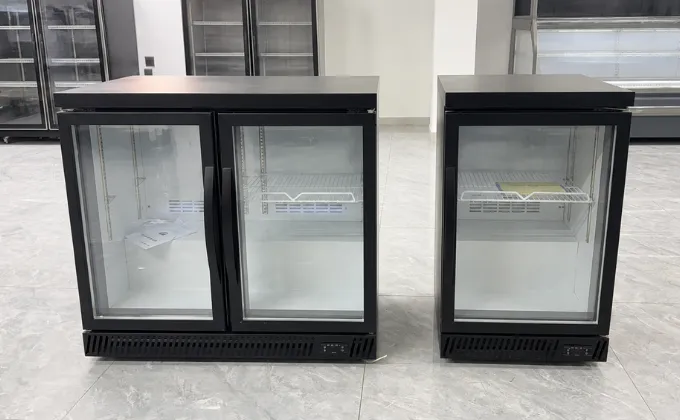
A single countertop refrigerator is easy to inspect. A shipment of multiple units is different.
Retail chains, distributors, and food service projects usually need every cabinet to look and perform the same. A difference in glass fitting, cabinet finishing, or cooling performance can become noticeable once several units are placed together in one store.
Before shipment, the production process usually includes checks such as: Material inspection before assembly, Cabinet structure checking, Refrigeration performance testing, Final inspection before packing.
These steps are especially important for a countertop display refrigerator manufacturer supplying commercial projects.

A refrigerator does not have a short journey after production.
It may be moved several times before reaching the final location — from factory handling to container loading, sea transportation, and local delivery.
The parts that customers see first, such as glass doors and exterior panels, also need protection during this process. Export packaging and careful loading help reduce avoidable damage during transportation.
For overseas buyers, choosing a commercial refrigerated display case manufacturer is not only about the cabinet itself. It is also about whether the equipment arrives ready for installation.
Related Commercial Refrigeration Solutions
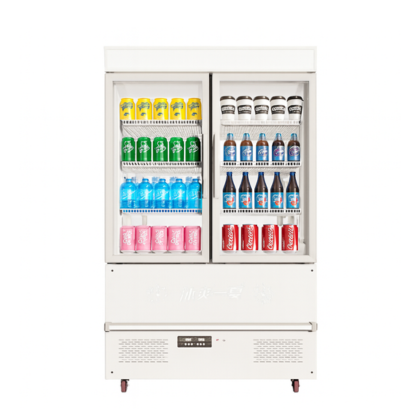
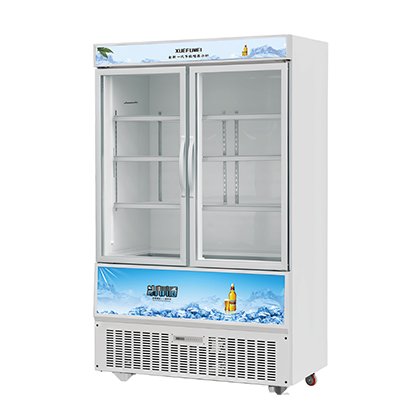
When countertop space is no longer enough, a glass door refrigerator provides more room for displaying chilled products.
It is commonly used for beverages, dairy products, fresh food, and other items that need clear visibility while keeping products organized.
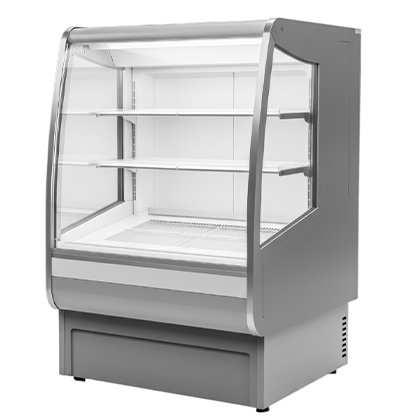
Some stores need customers to pick products quickly without opening a door.
Open air merchandisers are designed for high-traffic areas where easy access and product visibility are important, making them suitable for retail stores and self-service environments.
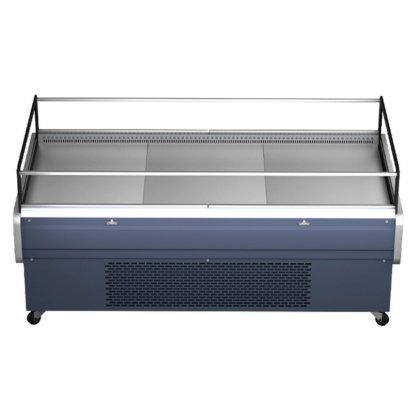
For larger retail spaces, product display is not limited to the counter area.
Island chillers provide open refrigerated display space that allows customers to view products from different sides, making them suitable for supermarkets and larger food retail projects.
Not every product needs chilled storage.
If your business sells ice cream, frozen desserts, or frozen food, a display freezer provides the low-temperature environment required for frozen product presentation.
Countertop Display Refrigerator Buying Guide
Choosing the right countertop display refrigerator is not only about finding a cabinet that fits your counter. Different businesses have different needs depending on the products they sell, available space, and how customers interact with the display.
This buying guide covers the key decisions buyers usually consider before ordering a commercial countertop refrigerator, including how to choose the right model and the difference between refrigerated and frozen display equipment.
How to Choose a High Quality Countertop Display Refrigerator
The right countertop display refrigerator depends on where it will be used and what products it needs to display.
A cafe may need a compact unit for beverages and desserts, while a convenience store may focus more on product capacity and quick customer access. Before purchasing, buyers should consider the display products, installation space, and daily usage requirements.
A suitable commercial countertop refrigerator should match the business operation rather than simply choosing the largest available model.
Read more: How to Choose a Commercial Countertop Display Refrigerator for Your Business
Countertop Display Refrigerator vs Countertop Display Freezer
Countertop display refrigerators and countertop display freezers serve different purposes, even though they may look similar from the outside.
A countertop display refrigerator is designed for chilled products such as beverages, dairy products, fresh food, and desserts. A countertop display freezer is used for frozen products such as ice cream and frozen food.
Choosing between refrigerator and freezer depends on the products being sold and the temperature requirements of the application.
Read more: Countertop Display Refrigerator vs Countertop Display Freezer: Which One Do You Need?
For many small businesses, it is useful when products need to be seen as well as stored.
A regular refrigerator can keep drinks, desserts, or chilled food at the right temperature, but customers usually do not know what is available inside. A countertop display refrigerator places those products directly in the customer’s view, which is why cafés, convenience stores, bakeries, and small retailers often use them near checkout counters or service areas.
For stores with limited space, the main advantage is not only refrigeration capacity. It is adding another display point without needing a large floor cabinet.
A countertop display fridge is commonly used for products that customers choose quickly after seeing them.
Beverages are one of the most common options, including bottled drinks, juice, and ready-to-drink coffee. Many bakeries use similar cabinets for cakes, pastries, and desserts, while cafés and restaurants may display sandwiches, salads, and other chilled prepared food.
The best product mix depends on the store. A beverage shop may focus on drinks, while a bakery may use the same type of cabinet for desserts.
The glass door is mainly about product visibility.
When customers can see drinks, desserts, or packaged food without opening the cabinet, they can make a buying decision faster. This is especially important for products that are purchased on impulse or added at the checkout area.
A glass door countertop refrigerator also allows staff to check stock quickly, which makes daily operation easier in busy stores.
The right size depends on the available counter space and the products you plan to display.
A small café may only need enough space for drinks and a few desserts, while a convenience store may need a larger capacity for products that sell throughout the day.
A larger cabinet is not always better. If the refrigerator takes up too much counter space or looks half empty, a smaller model may create a better display effect.
The main difference is the type of products they are designed to hold.
A countertop display refrigerator is used for chilled products such as beverages, desserts, dairy products, and prepared food. A countertop display freezer is used for frozen products such as ice cream and frozen snacks.
Choosing between them usually depends on the product temperature requirement rather than the cabinet appearance.
Yes. Customization is common when standard models do not match the project requirements.
Some businesses need a specific cabinet size because of existing counter dimensions. Others may require changes to the appearance, internal layout, lighting, or branding.
For retailers, cafés, and food businesses with specific display requirements, a custom countertop display refrigerator can make the equipment fit the actual selling environment.