
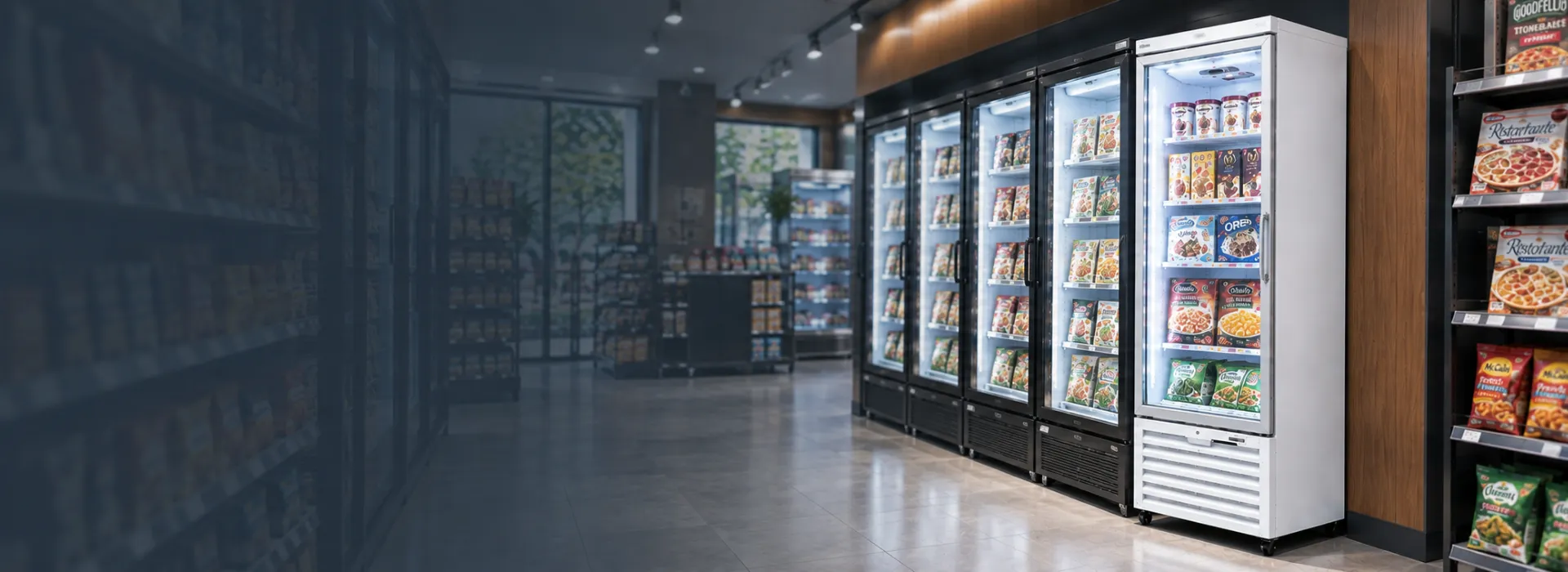
Upright Freezing Solutions for Commercial Display
For businesses looking to combine frozen storage with customer-facing product display, single door glass freezers provide a focused commercial solution without moving into larger multi-door formats. This range is intended for buyers sourcing upright display equipment for new stores, retail upgrades, or commercial refrigeration projects, with multiple models available for different purchasing requirements.
Single Door Glass Freezer Models
Four single door glass freezer models are available, each with a different set of specifications. Buyers can compare capacity, working temperature and refrigeration setup to find a closer match for your store or commercial project.
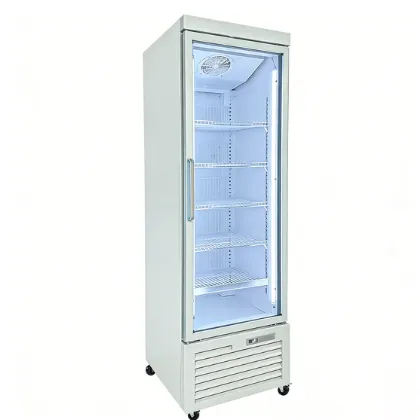 LSD-458HFD Single Door Glass Freezer
527L Capacity · 5 Storage Levels
With 527L of storage and five shelves, this model gives buyers more room to separate and organize frozen products. Working temperature reaches ≤-23°C.
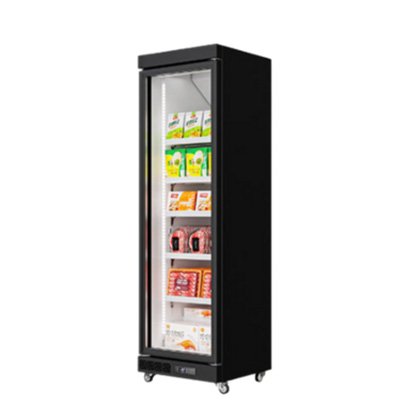 HE-450S Single Door Glass Freezer
Dual Cooling System · Anti-Fog Door
This model pairs a dual refrigeration system with an anti-fog door film. It operates from -18°C to -22°C, with noise rated at 24dB.
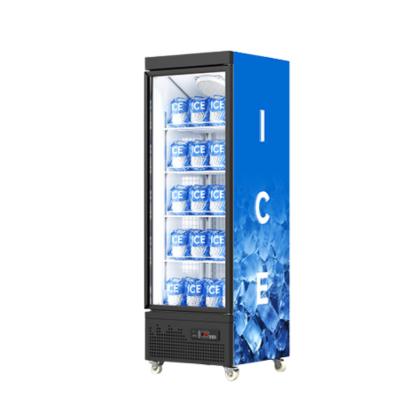 HE-450S2 Single Door Glass Freezer
450L Capacity · 2100mm High
A 450L option with a 620 × 730 × 2100mm cabinet. Its -18°C to -22°C working range covers everyday commercial frozen storage needs.
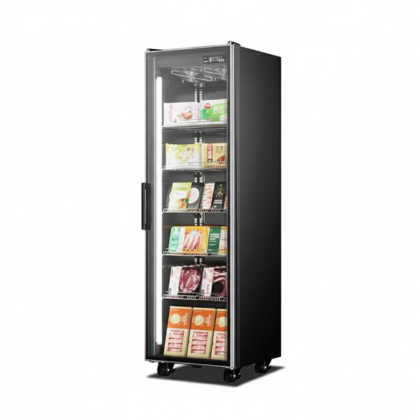 HXY-470S Single Door Glass Freezer
Variable-Frequency Cooling · -25°C
This model goes down to -25°C and uses variable-frequency air cooling. Four flat shelves provide a simple layout for arranging frozen products inside.
Key Features of Single Door Glass Freezers
For commercial buyers, a freezer has to do more than hold frozen products. Clear product viewing, usable storage space, stable low-temperature operation and easy day-to-day handling all matter once the cabinet is in a store. Our single door glass freezers are built around these practical needs.

The full-height glass door lets customers see frozen products before opening the freezer. Staff can also check stock quickly without repeatedly opening the door to see what is inside.

The upright cabinet makes use of vertical space, which is useful when floor area is limited. Multiple storage levels provide room for more frozen products without moving to a wider multi-door freezer.

These commercial glass door freezers are made for low-temperature storage rather than chilled display. They keep packaged frozen foods at the temperatures required for day-to-day commercial freezing.

Multiple shelves keep different products and SKUs separated instead of stacked together. Staff can see where stock belongs, refill individual sections and keep the cabinet easier to manage.

The single-door upright format keeps access straightforward during restocking and cleaning. Caster-equipped cabinet designs also make it easier to position or move the freezer when the store layout needs to change.
Custom Single Door Glass Freezers for Your Market
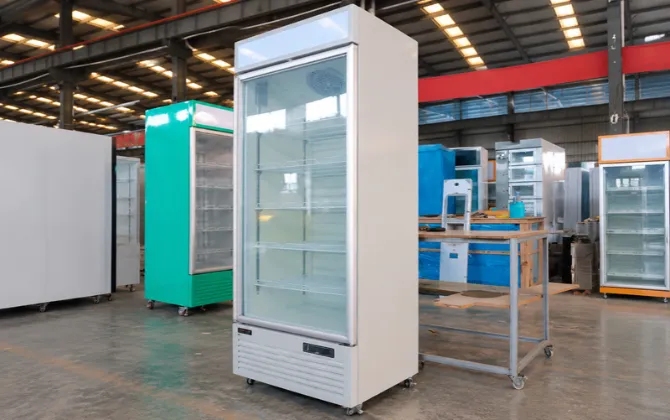
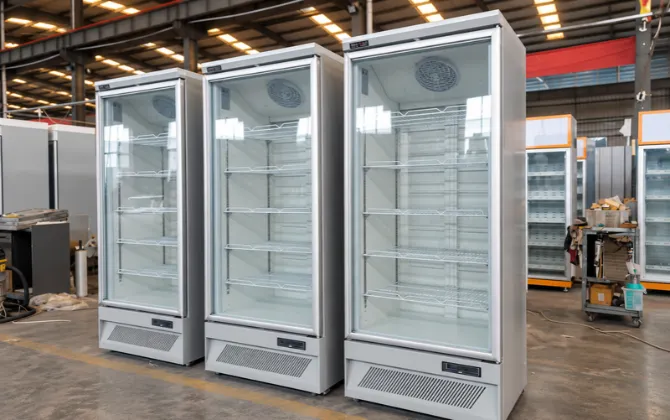
Your market may have different electrical standards, branding requirements and freezer specifications. Instead of working around a fixed configuration, you can customize the single door glass freezer to better match your local market, retail project or product line.
- Electrical Setup for Your Market
You can choose the voltage, frequency and plug type required for your destination market. This helps you source a commercial freezer that is prepared for local electrical requirements before it reaches your customer.
Customization: Voltage & Frequency · Plug Type
- Your Brand on the Freezer
Your logo can be added to the cabinet, door or lightbox, with different printing and branding options available. Product labels and nameplates can also be prepared with the information required for your brand or market.
Customization: Logo · Door/Lightbox Branding · Label & Nameplate
- Cabinet Look That Fits Your Product Line
You can adjust the exterior finish to better match your brand or an existing commercial refrigeration range. This is useful when the freezer will be sold alongside other equipment under the same visual identity.
Customization: Cabinet Exterior Finish
- Storage and Freezing Setup for Your Project
Different frozen products and markets may call for different internal or refrigeration setups. You can discuss shelf arrangement, door configuration, temperature range and refrigeration system according to the needs of your project.
Customization: Shelves · Door Configuration · Temperature Range · Refrigeration System
- Packaging for Bulk Orders
You can also specify packaging and carton requirements for your order. This is useful when you need packaging prepared around your shipping method, distribution process or branded product line.
Customization: Packaging · Carton
Commercial Applications for Single Door Glass Freezers
Different businesses stock frozen products in different ways. You may need space for a broad mix of packaged foods, a few fast-selling items or a dedicated ice cream range. These single door glass freezers give you several model and storage options to match what you actually sell.
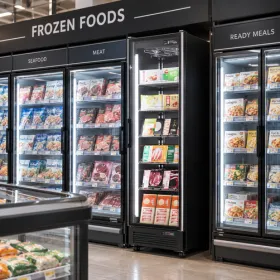
You can use a supermarket glass door freezer for frozen meat, seafood, dumplings, ready meals and other packaged foods. Separate shelf levels make it easier to keep different categories apart, while the 527L model with five storage levels gives you more room when one cabinet needs to handle a broader product range.
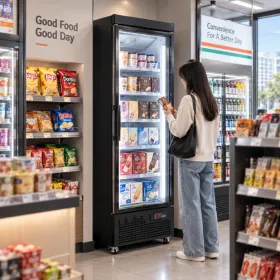
For packaged ice cream, frozen snacks and ready meals, a single door display freezer gives you one cabinet for everyday self-service sales. If customers open the door frequently, models with anti-fog door treatment help keep the contents easier to see. Casters are also useful when you need to move the cabinet for cleaning or rearrange your store.
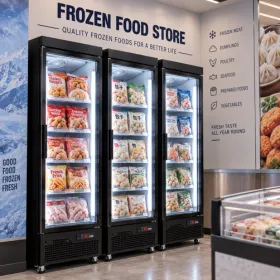
If you sell a large number of frozen-food SKUs, you can separate meat, seafood, dumplings and prepared foods across different shelf levels instead of mixing them together. Depending on your storage requirements, you can also choose models reaching ≤-23°C or -25°C for lower-temperature operation.
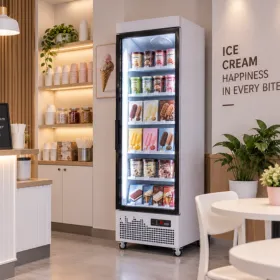
You can arrange packaged ice cream, popsicles and frozen desserts by flavor, brand or pack size, making different choices easier to browse. For customer-facing sales, models with anti-fog glass help keep the display clear, while a -25°C model is available when you need a lower-temperature option.
What You Can Expect from a Commercial Freezer Manufacturer
When you order commercial freezers in quantity, you need more than a confirmed specification sheet. You need to know how your order is built, what is checked by hand, whether the finished units are actually tested, and how they are protected for a long journey. These are the steps that help you reduce problems before the freezers reach your market.
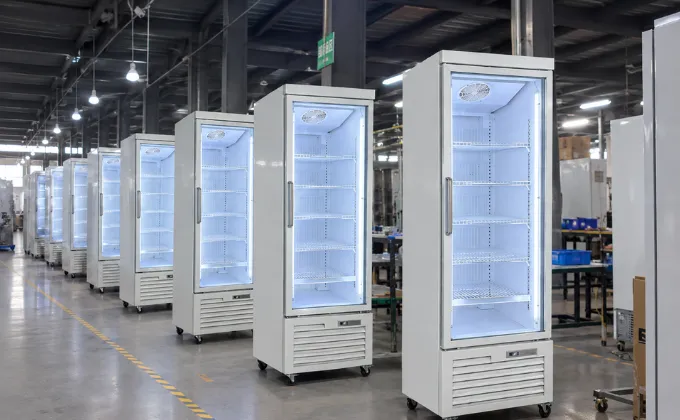
Your single door glass freezers are assembled on the production line according to the specifications confirmed for your order. Electrical requirements, branding and other agreed configurations are carried through production, giving you a clear basis for checking the finished batch against what you approved.
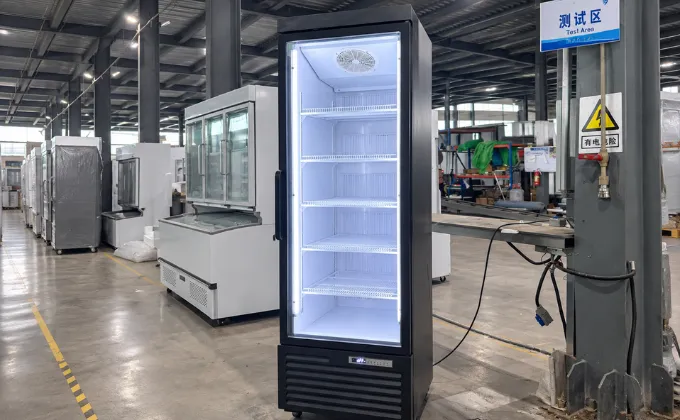
During assembly, workers check the cabinet, glass door, shelves, electrical parts and visible workmanship by hand. Finished units are checked again before they move to testing, so issues such as poor assembly, damaged parts or appearance defects have a chance to be found before packing.
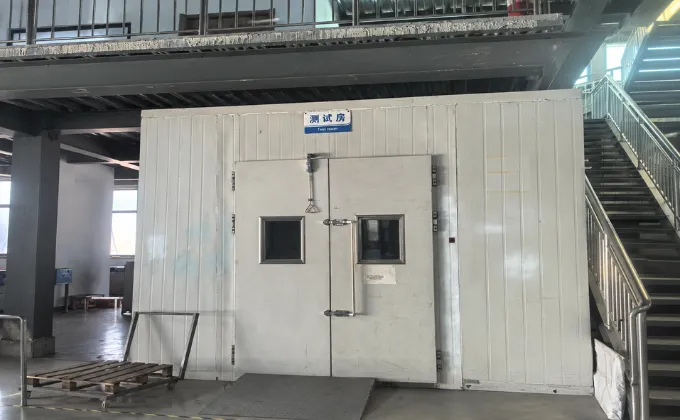
A freezer looking complete does not tell you whether it cools properly. Finished units can be operated in our refrigeration test room, where temperature and refrigeration performance are checked under controlled conditions before shipment. This gives you actual operating results to check, rather than relying on appearance inspection alone.
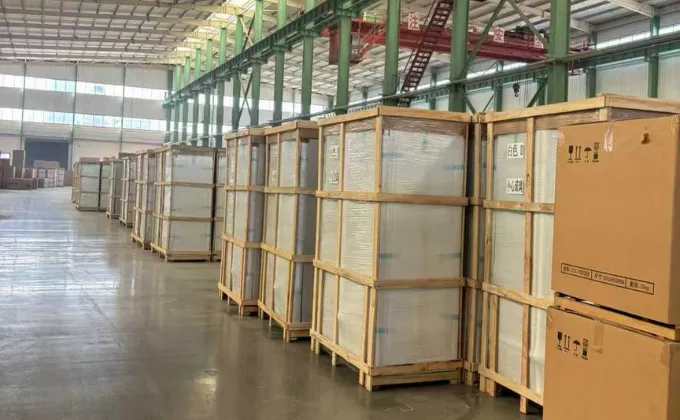
Long-distance transport brings a different set of risks, especially for a tall cabinet with a glass door. Protective film and cartons are used around the freezer, with wooden frames added for further protection during handling and transport. This helps protect the cabinet surface and reduce movement or impact before the order reaches you.
Related Commercial Display Freezers
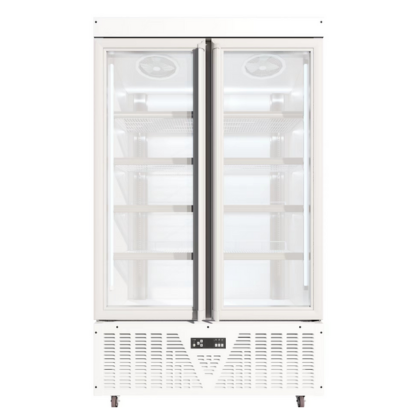
Need more frozen display space than a single-door model provides? A two door glass freezer gives you wider storage and easier access to a larger product range.
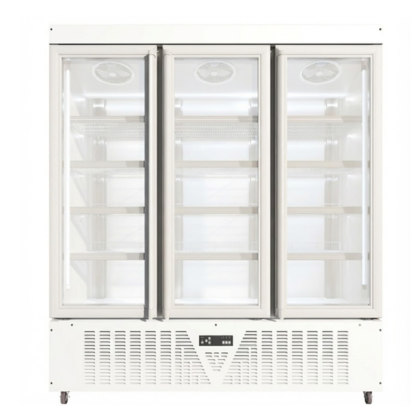
For larger frozen-food sections, a three door glass freezer gives you more display and storage space for handling a broader mix of products and SKUs.
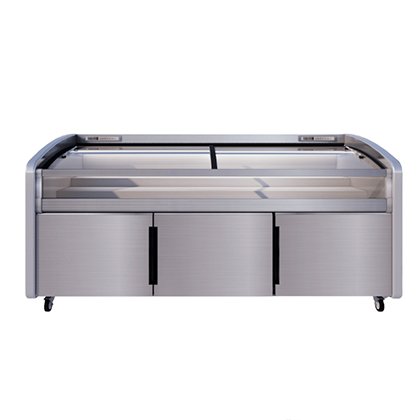
If you prefer top-access storage for bulk frozen foods, a chest display freezer offers a different layout for storing and selling packaged frozen products.
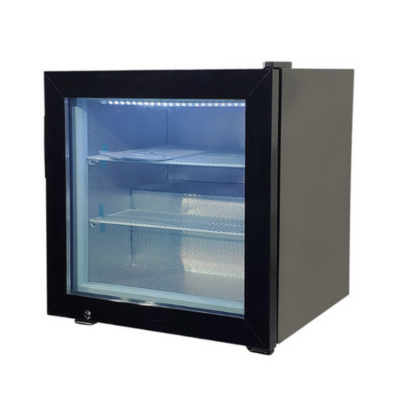
For smaller frozen products or limited counter space, a countertop display freezer provides compact frozen display without requiring a full-size upright cabinet.
Single Door Glass Freezer Guides
Buying the right freezer involves more than checking the capacity on a specification sheet. You may need to compare temperature requirements, available store space, the number of frozen-food SKUs you carry, customer access and the type of display you want. These guides are planned around the questions commercial buyers often need to answer before choosing a freezer.
How to Choose a Single Door Commercial Freezer
A single door commercial freezer may look straightforward, but capacity alone does not tell you whether a model will work for your business. You also need to check the operating temperature, usable shelf space, external dimensions, refrigeration setup and local electrical requirements. This guide will walk you through those points and show you what to confirm before comparing models or requesting a quote.
Read Buying Guide
Single Door vs. Two Door Glass Freezer: Which One Do You Need?
Choosing between one and two doors is not simply a question of buying the larger cabinet. A single door glass freezer may be enough for a focused product range, while a two-door model can make more sense as SKU count and display volume increase. This comparison will look at store space, storage needs, product variety, customer access and restocking so you can judge when moving to a larger freezer is actually worthwhile.
Read Comparison
How to Choose a Display Freezer for Frozen Food Retail
The freezer that works for packaged ice cream may not be the best setup for frozen meat, seafood, dumplings or ready meals. This guide starts with the products you sell, then looks at SKU volume, temperature needs, customer access and available store space. It will also explain when an upright glass door freezer, chest display freezer or another display format makes more sense for your frozen-food section.
Read Buying Guide
A single door glass freezer can be used for packaged meat, seafood, dumplings, frozen meals, ice cream, frozen snacks and other products that need commercial frozen storage.
The shelves are useful when several SKUs share one cabinet. Meat, ready meals and smaller packaged products can be kept in separate sections, making stock easier to see and refill.
Start with the storage requirement of the food rather than choosing the freezer with the lowest temperature.
The models on this page cover several working ranges. Some operate at -18°C to -22°C, LSD-458HFD reaches ≤-23°C, and HXY-470S goes down to -25°C. That gives buyers different options instead of treating one temperature range as suitable for every frozen product.
Think about the amount of stock you want inside the cabinet between refills, not just the capacity number in the catalogue.
For example, this range includes a 527L model with five shelf levels. That may be enough for a store carrying several frozen-food categories. Once products have to be crowded together or stacked in a way that makes stock difficult to manage, a two-door cabinet becomes worth considering.
A single door model generally makes more sense for a focused frozen range and a smaller display area. Two doors give you more room when the number of SKUs and the amount of stock increase.
There is no advantage in paying for a larger cabinet simply because it has more doors. The better comparison is available store space + product volume + SKU count + restocking frequency.
Moisture on freezer glass can be related to store humidity, frequent door opening, the condition of the door seal and the anti-condensation design of the cabinet. Refrigeration users also raise exterior glass condensation and door-heating arrangements as practical operating issues.
Some models in this range use anti-fog door treatment. For humid stores or locations with frequent customer access, the door configuration is something worth checking during model selection.
The shelves can be well stocked, but the cabinet should not be packed so tightly that products interfere with airflow or prevent the door from closing properly.
This is more than a neatness issue. Freezer users have reported uneven freezing where products restrict air movement or interfere with proper door closure. Leave the required airflow space for the refrigeration design of the model you are using.
Yes. Voltage, frequency and plug type can be matched to different destination markets. Branding options include logos, labels, nameplates and door or lightbox graphics.
Projects can also involve changes to cabinet finish, shelf arrangement, door setup, temperature range, refrigeration configuration and packaging. The exact scope is confirmed against the model and order requirements before production.
Four details are enough to make the first discussion much more useful: destination market, order quantity, products to be stored, and the temperature or cabinet size you need.
You can also include your branding, electrical or packaging requirements. A complete technical specification is not necessary at the inquiry stage; the remaining details can be worked through during model selection.
Inspection does not stop when assembly is finished. Cabinet condition, glass doors, shelves, electrical parts and visible workmanship are checked during production.
Finished freezers can then be operated in the refrigeration test room to check temperature and refrigeration performance. That gives the shipment an operating check as well as a visual one before packing.
Tall glass-door cabinets need protection against more than scratches. Handling and movement during transport can also affect cabinet corners, exterior panels and the door area.
The freezers are protected with film and cartons, with wooden frames used for additional transport protection. Packaging requirements can also be confirmed as part of a bulk commercial freezer order.